Creating Sanctuary Wherever We Gather
Our first Community Partner of 2026, Tepeyac Mountain Sanctuary, exists to create land-based sanctuary for healing justice, cultural organizing and liberation movement building. In 2025, Sanctuary Land Cooperative, LLC acquired 34 acres of land in Western North Carolina to hold and steward the land in collective ownership—ensuring it remains protected, accessible and governed in ways that reflect equity, reciprocity and belonging. Tepeyac Mountain Sanctuary is the programmatic arm of this work, creating spaces on the land for rest, retreat, learning, gathering and resilience-building for frontline organizers, cultural workers and movement communities. Together, this model ensures the land is carefully stewarded while being actively used in service of collective healing and long-term liberation.
Read on for our conversation with Tepeyac Mountain Sanctuary’s Executive Director, Marisol Jiménez, to learn more about the origins and vision of the organization and how we can all get involved.
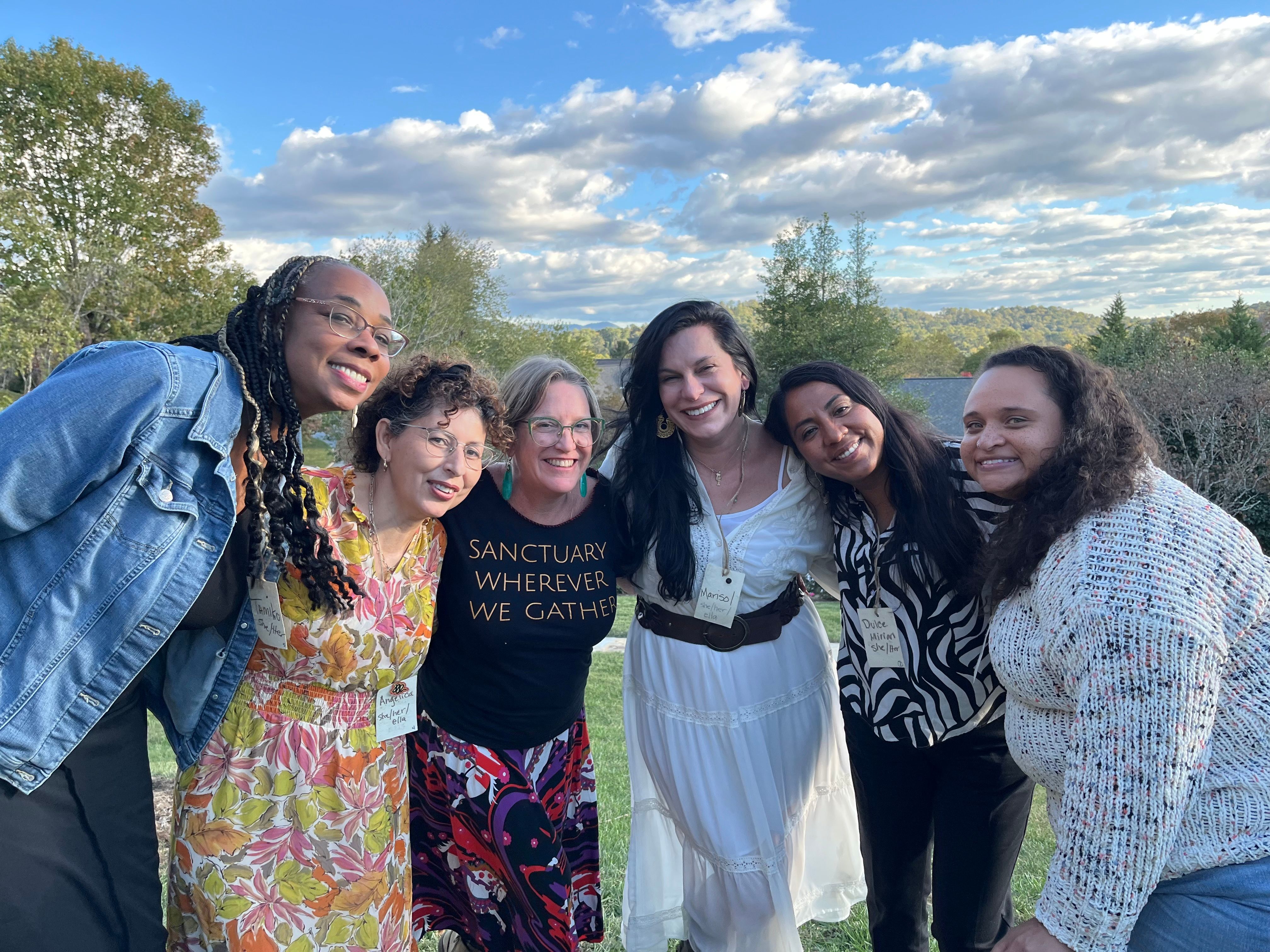
East Fork: Tell us a bit about how Tepeyac Mountain Sanctuary came about. Were there specific needs in the community or particular events that inspired the vision?
Marisol Jiménez: Tepeyac Mountain Sanctuary grew out of decades of frontline organizing, mutual aid, and healing justice work led by lifelong, vocational activists and movement leaders—people who have dedicated their lives, livelihoods, weekends, early mornings, and late nights to liberation work. Rooted in deep relationships with a wide network of families, activists, cultural workers, facilitators, healers, builders, farmers, and visionaries across North Carolina and the South, the members of our collective have spent most of our lives weaving safety nets of care, resistance, and solidarity with and for one another. Even in the hardest moments, this work has been a profound source of hope and inspiration.
At the same time, we have witnessed the consequences of having to live and lead from survival mode. It is physically, mentally, and emotionally exhausting to ride relentless waves of fear, vigilance, and adrenaline-driven activism from one crisis to the next. There are few spaces for rest and recovery, and people have been pushing through weariness and exhaustion straight into burnout. For years, our community has dreamt of having access to land and retreat spaces that can hold us in our rest, our grief, our ritual, our celebration, our strategizing, and even our survival.
Tepeyac Mountain Sanctuary is our response and our truest offering of love: a retreat and healing space for the people who love and protect each other on the frontlines of oppression every day. This is a legacy of sacred land stewardship, healing justice, and sanctuary that we hope will be held for generations to come.
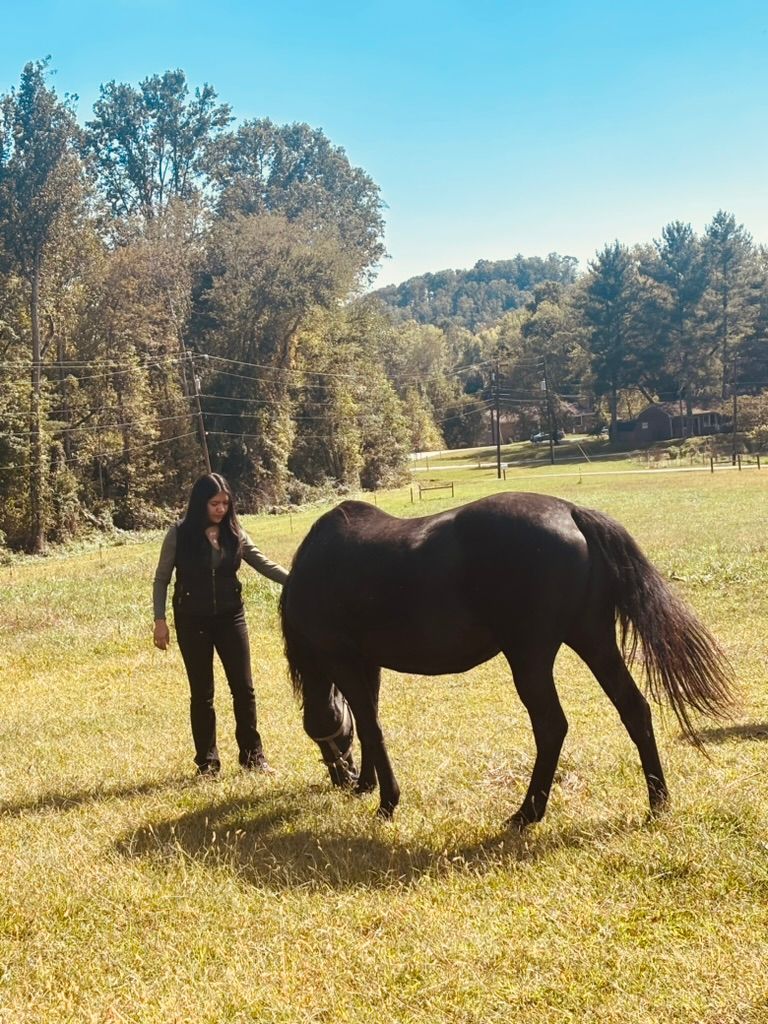
EF: What will make Tepeyac Mountain Sanctuary different from other retreat or community spaces? Who do you see Tepeyac Mountain Sanctuary supporting?
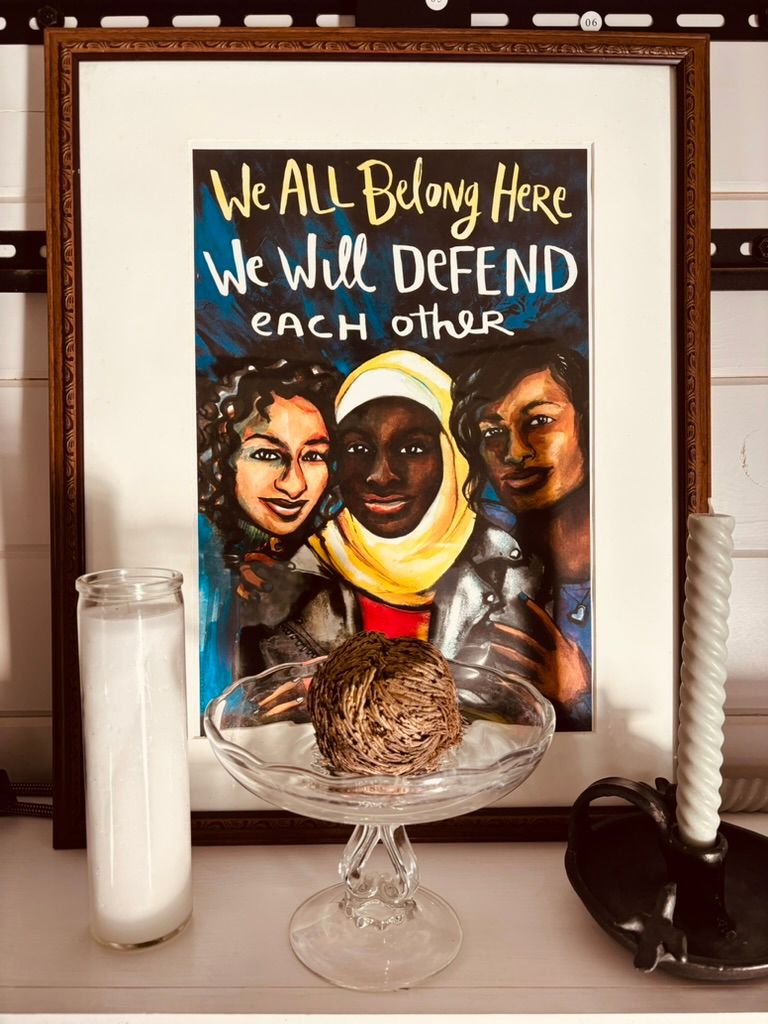
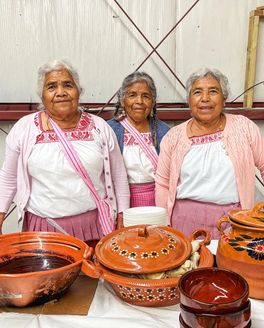
MJ: What makes Tepeyac Mountain Sanctuary special is that it is being built by and for the people who need it most. Our land is cooperatively-owned by a circle of Latinx, Black, immigrant, and Indigenous women who are committed to creating a space of rest, care, reflection, and gathering for people who are often the least likely to have access to retreats and healing spaces. We want our community to know the powerful resonance of being on land that they have built a relationship with. We want our people to retreat to a space that has been dedicated to reflecting and uplifting them. Sanctuary is a space where we can steward our own sacred spaces.
Tepeyac Mountain Sanctuary is also rooted in a healing justice framework - the deep understanding that the trauma many of us are experiencing is political and collective. Our healing is inextricably linked to our liberation.
Beyond a retreat center, Tepeyac Mountain Sanctuary is also working to become a resilience hub ready for rapid response in the face of any number of disasters. We are deeply connected with a regional rapid response network in WNC and are growing our relationships with other land projects & resilience hubs across the South.
There is such an abundance of possibilities on what had historically been a working farm. The property has several wells, great potential for solar projects, plenty of land to raise animals and grow food, and already established plans to build off-grid, all-season yurt shelters. As frontline organizers during Hurricane Helene, we are committed to readying ourselves and each other to protect our communities for whatever unfolds in the years to come. For example, over this past year, we have been coordinating organizations across WNC to train as street medics, to set up ham radio communications, to network their supply distribution hubs, and to skill-up on-the-ground neighborhood communications. While we have been creating sanctuary wherever we gathered, it is really exciting to now have this amazing land to continue to learn and grow on. We are clear that sanctuary is a space where we find safety and protection with each other.
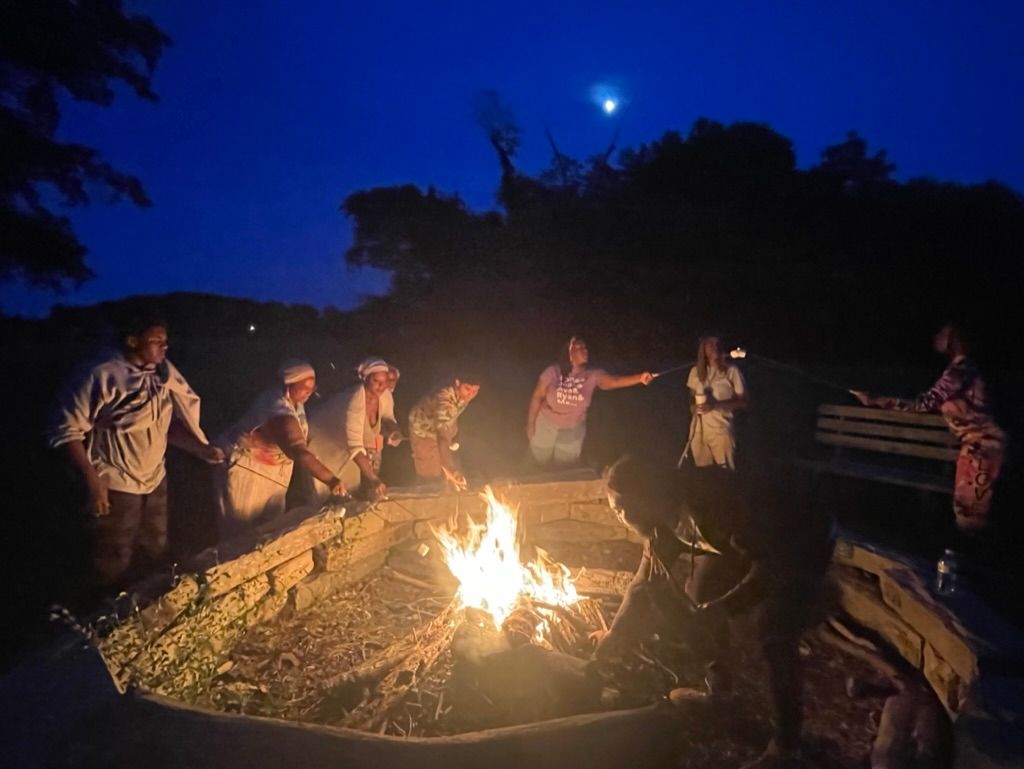
EF: What’s your vision of how Tepeyac Mountain Sanctuary will look five years from now?
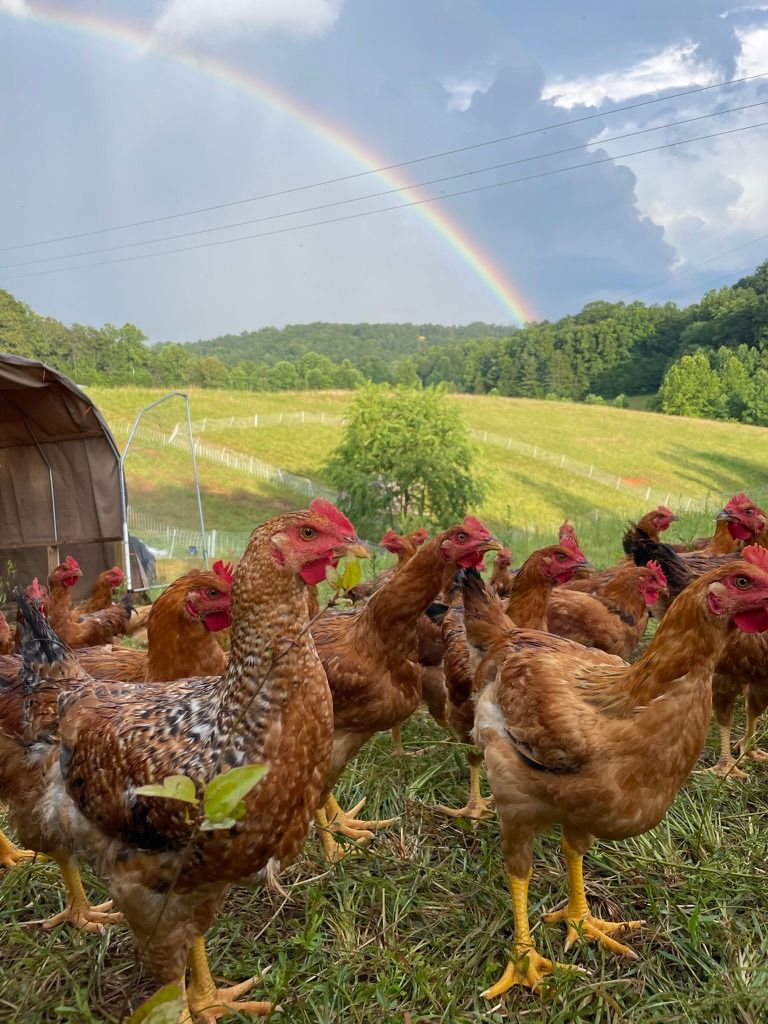
MJ: Five years from now, Tepeyac Mountain Sanctuary feels rooted. The farmhouse is a warm, comfortable, and welcoming community space; there are small group meeting spaces and every wall is covered in local art and pictures of our summer camps and gatherings and smiling groups of people. At the heart of the property is a large gathering yurt with a large open space for workshops, meetings, ceremonies, and celebrations. Solar lit paths wind all around the property and lead to a small village of yurts, tiny houses, and campsites. Our farm will have had a few seasons to get established and we will have set up the greenhouse and chicken coops. By that time, the small commercial kitchen will be finished and there will be a lot of excitement about launching our farmstand and Peoples CSA.
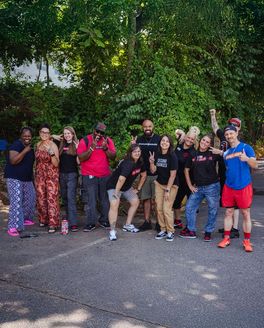
Community partners from across the South will start coming onto the land to host their own retreats, workshops, and trainings, or attend ours. There is a constant flow of people working the garden, walking the trails, talking around tables, sitting in circles, and rocking on rocking chairs.
Mostly, I think we will be getting more familiar and into our rhythm with the land. But it will be solid and steady growing into Sanctuary.
EF: How can people support and stay connected to your work?
MJ: The best way to stay connected is to visit our website and sign up for our newsletter, where we share updates, invitations, and current needs. Financial contributions are always welcome and help sustain the land, programs, and infrastructure that make Sanctuary possible.
People can also support by spreading the word, attending gatherings, offering skills or in-kind support, and staying in relationship with us as we continue to grow.
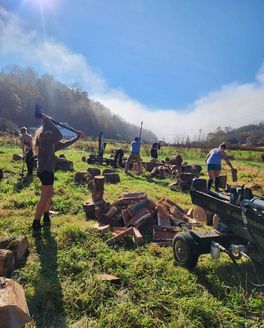
Lastly, we are a big and beautiful land project that is right at its first moment of becoming. We more than welcome all kinds of hands-on support over this coming year! If you’re a deck builder, electrician, farmer, forager, or yurt supplier (just to name a few!) and are interested in donating your time and talent, we would love to connect.