The Donabe Returns
Donabe (doh-NAH-bay) is traditional Japanese earthen cookware so versatile that even now, centuries after its creation, almost every household in Japan has at least one of them. It’s also a hallmark of omotenashi, an approach to hospitality that is sincere, loving, authentic. Omote means “public face,” or how you want people to see you. Nashi is nothing.
Combined, they mean serving from the bottom of the heart: honest, no hiding, no pretending.
Omotenashi is an expression of love, not dazzlement on the part of the host. It’s entertaining that makes your guests feel at home because they sense that you didn’t stress about having them over because, well, you didn’t. It’s the antithesis of the times when the host stays in the kitchen, making intimidating dishes, plating like a champion but not sitting down until the dessert course, and, even then, never really relaxing.
To celebrate 15 years of East Fork, we're bringing back some founder favorites from the early days of East Fork, and donabe were at the top of the list.
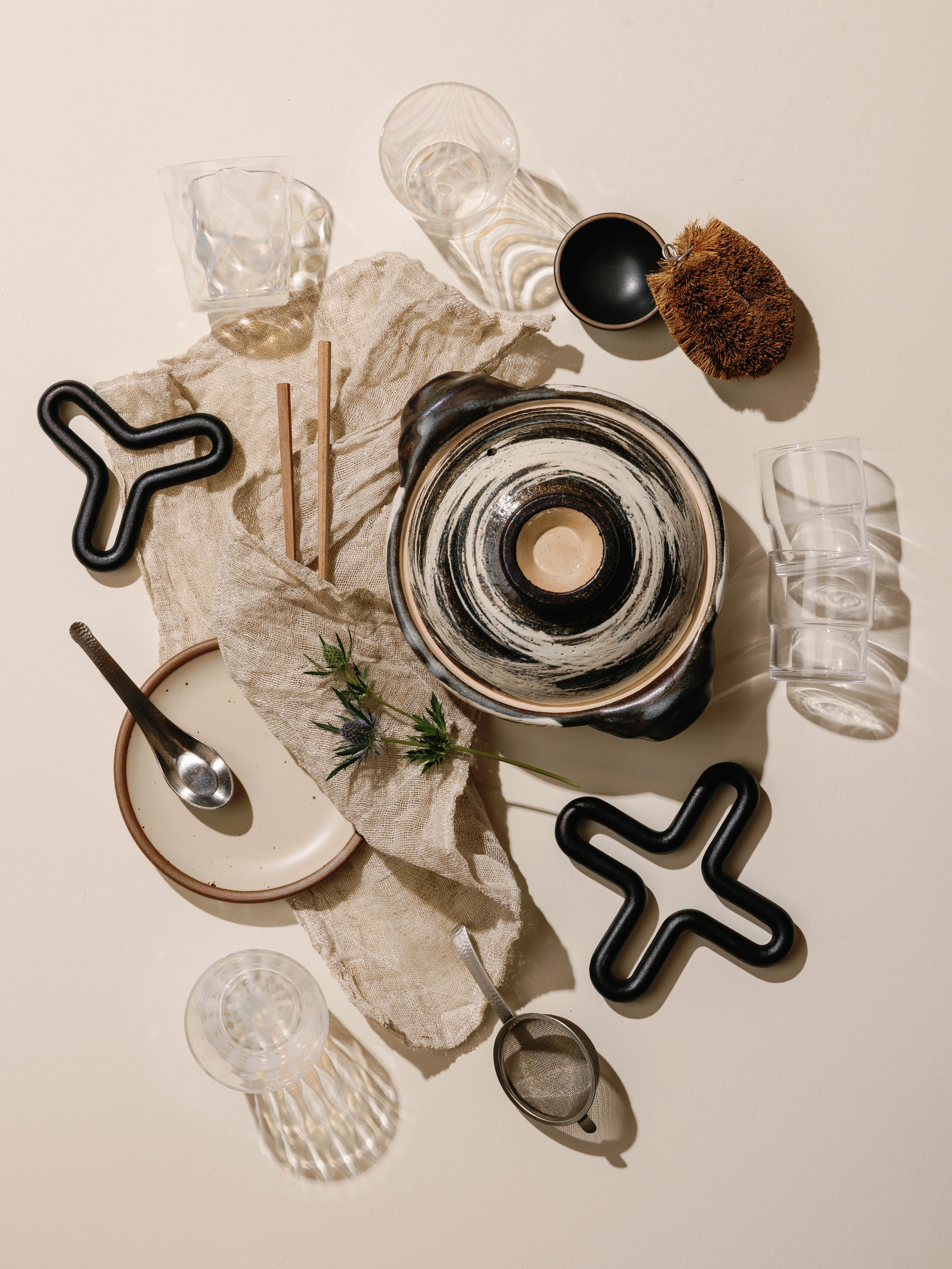
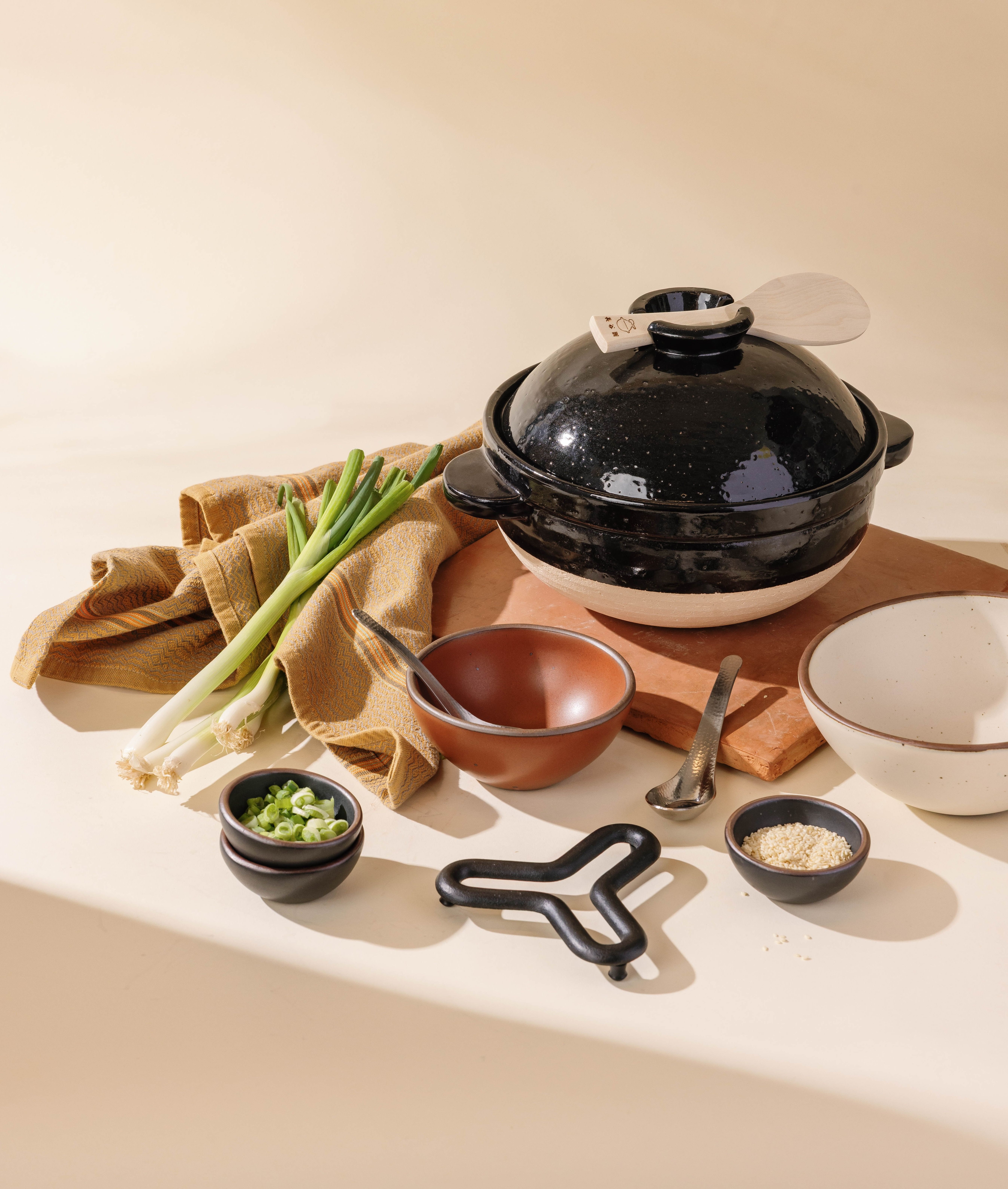
Nagatani-en Donabe
Donabe—the term describes both the cooking vessel and the dishes it makes—are an embodiment of omotenashi. For one thing, with a portable butane stove, you can bring your donabe right to the table. They cook meat, fish, tofu, rice and vegetables perfectly, succulently, because of their design, which you’ll read about below, and because of the materials with which they are made.
The clay used to make the Nagatani-en donabe we sell at East Fork comes from earth that was once the bed of Japan’s pre-historic Lake Biwa. High concentration of fossilized microorganisms in this particular clay burn away in kiln firings, leaving minute holes in the clay. This coarse, porous clay gives donabe their excellent heat retention. The glaze on the exterior of the vessels promotes far infrared rays (FIR), which may sound unfamiliar but compares to how charcoal cooks things long after the flames have been extinguished. This is how donabe cook with a gentle, steady heat that seals in flavor.
In short, food tastes more delicious. And because donabe retain their heat so well, they make excellent (and beautiful) serving pieces. With long-time use, donabe take on the flavors of what’s been cooked in them and also gain lovely, distinctive character. The cycle of heating and cooling of an oft-used donabe causes tiny, superficial cracks to form in the glaze. These cracks, called kannyu, strengthen the clay by giving it more room to expand and contract when used. And, over time, the bottom part of donabe will darken. It’s all part of the charm.
Founded in 1832, Nagatani-en makes donabe by hand for professionals and home cooks. Making a donabe is a two-week process in which each piece is fired twice at extremely high temperatures, which reminds us of our own process here at East Fork. Donabe made by Nagatani-en are an investment, to be sure, but the quality and craft set them apart from mass-market versions.
Types of Donabe
Donabe are multi-taskers, so you don’t need to buy one of each style. Think about how you cook, what you cook most often and where you want a donabe to fit into your kitchen equation.
Kamado-San Rice Cooker
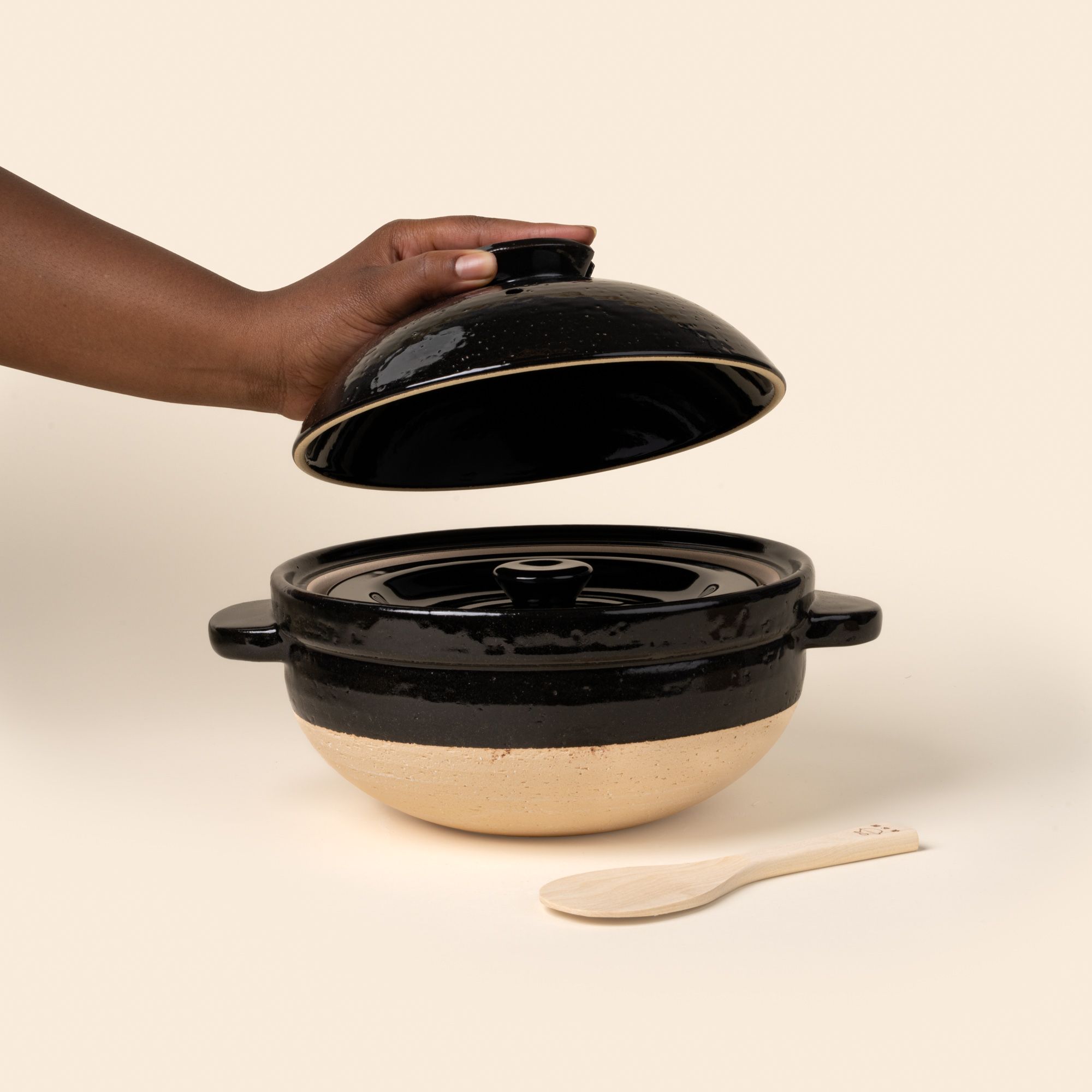
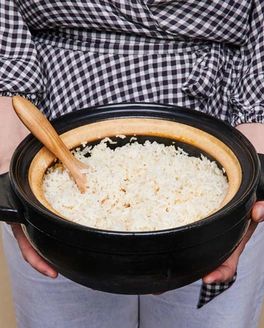
Kamado-sans will make the most perfect rice: toothsome, sticky, fluffy, shiny, bursting with natural sweetness, the best. Thank the double-thick clay walls that cook the grains evenly and the double-lid that works like a pressure cooker and keeps the contents from boiling over. Don’t stop at rice. Farro, quinoa, wheat berries and many other grains cook great in a kamado-san.
And while you’re thanking the other components, also thank the inner lid for being removable. You now have a cooking vessel to make all the hot pots, shabu-shabu soups, stews and braised dishes.
The kamado-san’s versatility may account for its ubiquity in both home kitchens and restaurants in Japan, where you might see these donabe used for rice service at each table. No matter what you cook in your kamado-san, the vessel is a beautiful addition to the table, and like the other donabe styles, keeps food hot for a long time.
All-Purpose Donabe
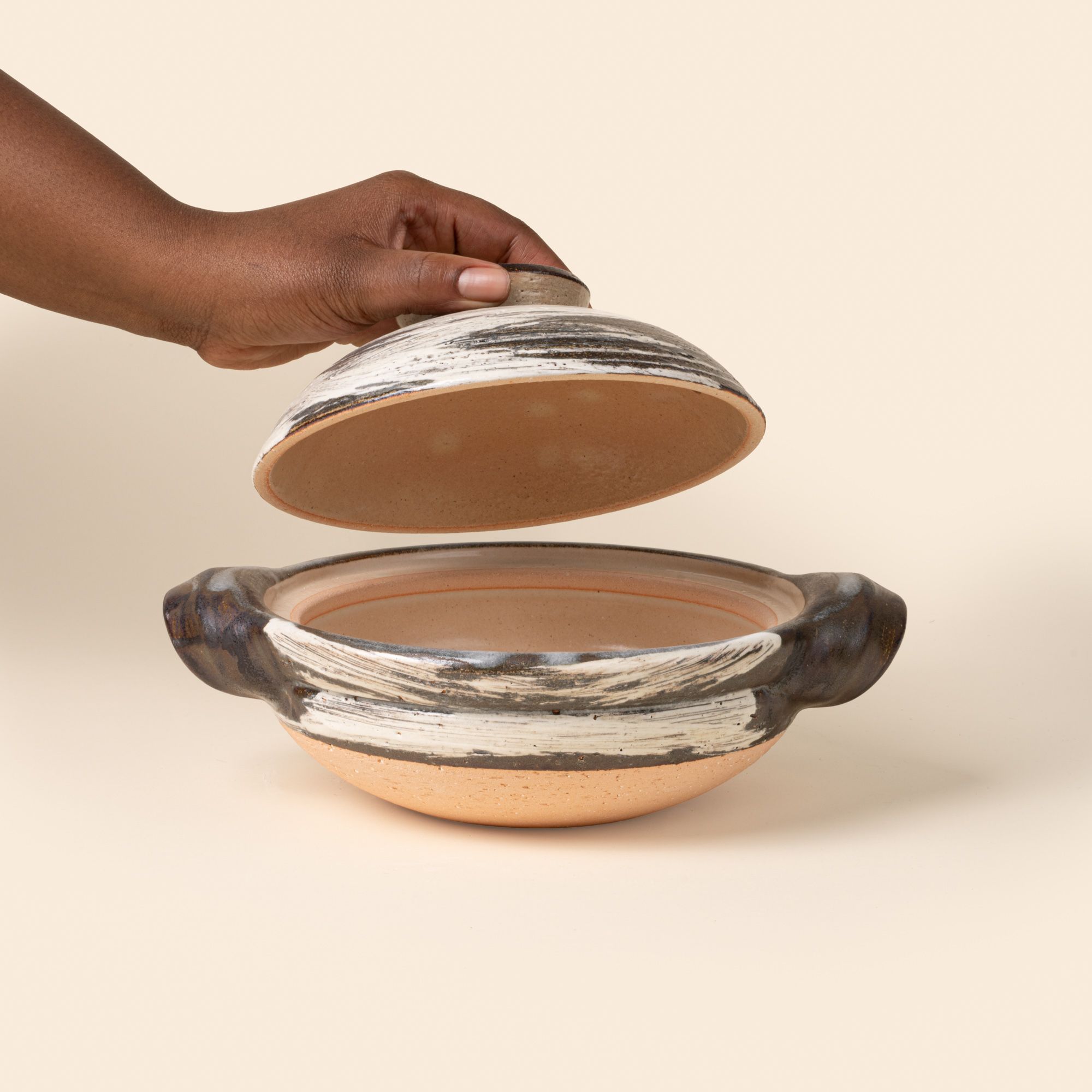
If you’re only going to own one donabe, make it an all-purpose donabe. This is the everyday workhorse and deeply satisfying to cook with. With its generous depth and snug-fitting lid, the all-purpose donabe excels at hot pots, soups, stews, braises, curries and one-pot meals. It’s the donabe you reach for when you’re not following a recipe so much as cooking by instinct.
Like all Nagatani-en donabe, the all-purpose donabe uses far infrared rays (FIR) and exceptional heat retention to cook food gently and evenly. Ingredients soften without falling apart. Broths grow rounder and more cohesive. Vegetables stay vibrant, proteins turn tender and flavors meld instead of competing.
The all-purpose donabe is also wonderfully forgiving. It doesn’t mind a slow simmer or a lively boil, and it transitions easily from stovetop to table, where it becomes both a serving vessel and centerpiece. Over time, as it absorbs the flavors of countless meals, it develops a character that’s entirely its own.
Caring For Your Donabe
Season Your Donabe
All three of our donabe need to be seasoned before first use. It’s easy! Just make their maiden voyage in your kitchen a simple and tasty rice porridge:
1. First, make sure the outer bottom of the donabe is dry. Fill the inside with water to about 70% capacity, add cooked rice, making sure at least ⅕ of the volume is rice. Stir well.
2. Cover with lid and cook over medium-low heat until mixture comes to a simmer, then carefully uncover (lid will be hot) and lower the heat.
3. Cook until the mixture becomes paste-like, stirring occasionally to keep the rice at the bottom from burning. Turn off the heat and cool for an hour.
4. Remove the rice mixture, rinse the donabe and let it dry completely before next use.
No Dishwashers, Please
Always hand-wash your donabe. Forget the dishwasher here. Use mild soap and a sponge and be sure not to let the donabe sit in soapy water because it could take on the scent of the soap.
Keep it Cool, Keep it Dry
Let your donabe cool before plunging it into water to prevent cracks.
Dry your donabe components well, and let them sit upside down overnight before you put them away. Where to store? Somewhere dry is best. High humidity can bring on mold.
Don’t use your donabe for food storage. After many hours, the clay may absorb the smell of the food.